Hilo Band relies on continuous blood pressure monitoring.
Regularly monitoring your blood pressure is particularly important for people with known hypertension. Traditional upper arm blood pressure monitors provide reliable single measurements, but require you to consciously set aside time for them. The Hilo Band, originally known as Aktiia, takes a different approach. It's worn on the wrist like a regular bracelet and automatically records blood pressure throughout the day and night. An inflatable cuff is not required during normal use.
Technically, the Hilo Band uses an optical sensor to detect changes in blood flow at the wrist. An algorithm then uses this data, along with previously determined calibration values, to calculate blood pressure readings. Unlike a smartwatch, it has neither a display nor extensive fitness features. The band focuses on long-term blood pressure monitoring and makes the collected information available via the Hilo app. According to the manufacturer, it is a CE-marked Class IIa medical device whose measurement method has been clinically validated according to ISO 81060-2.
Before the test, I was initially skeptical whether such a small wristband could actually make a meaningful contribution to blood pressure monitoring. After all, measuring with a suitable upper arm monitor is still considered the tried and tested method for home monitoring. However, after about six months with the Hilo Band, my initial skepticism has significantly diminished. The automatic monitoring proved to be extremely practical, even though some weaknesses became apparent during the long-term test.
Simple design and comfortable to wear, with limitations.
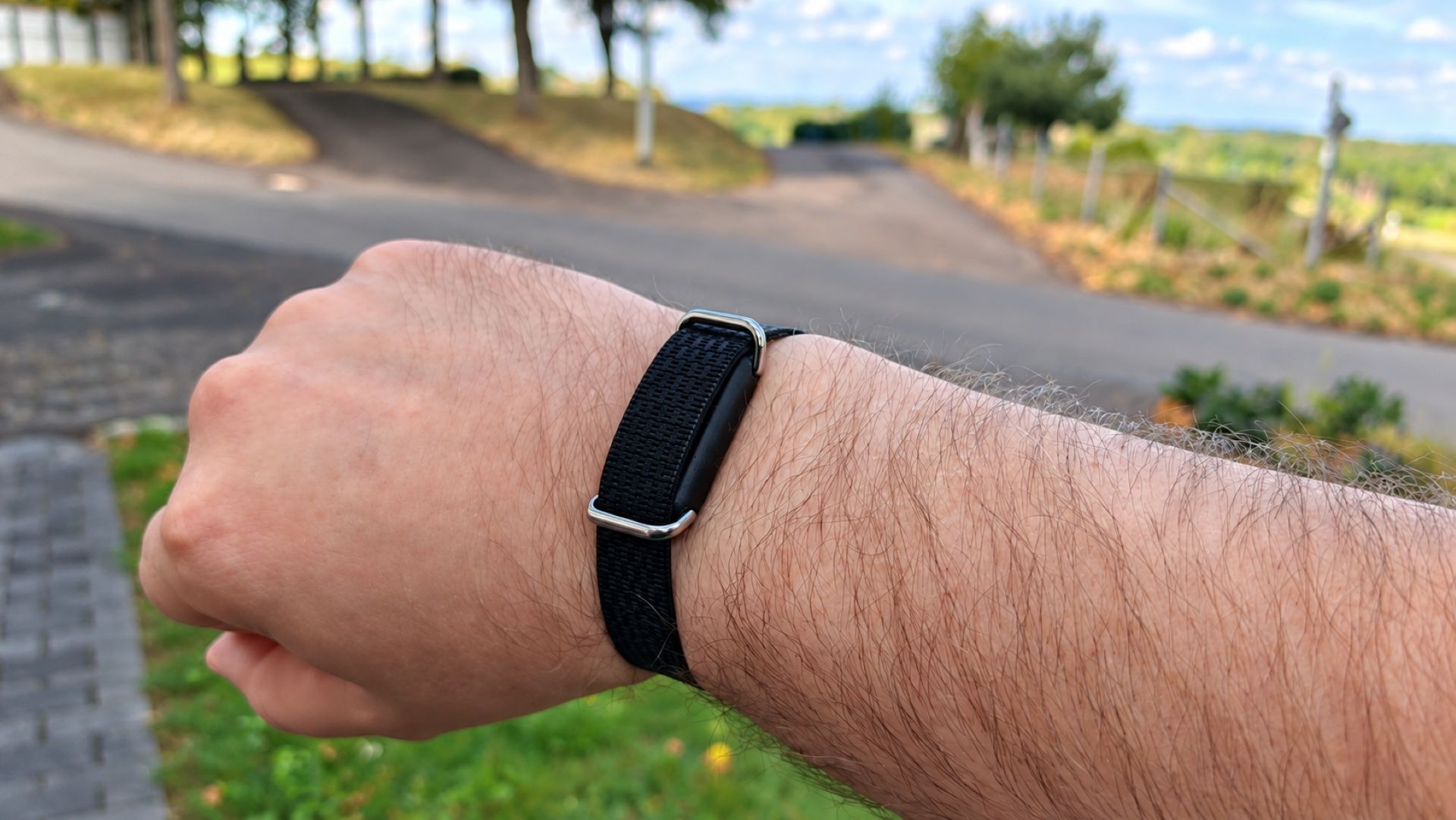
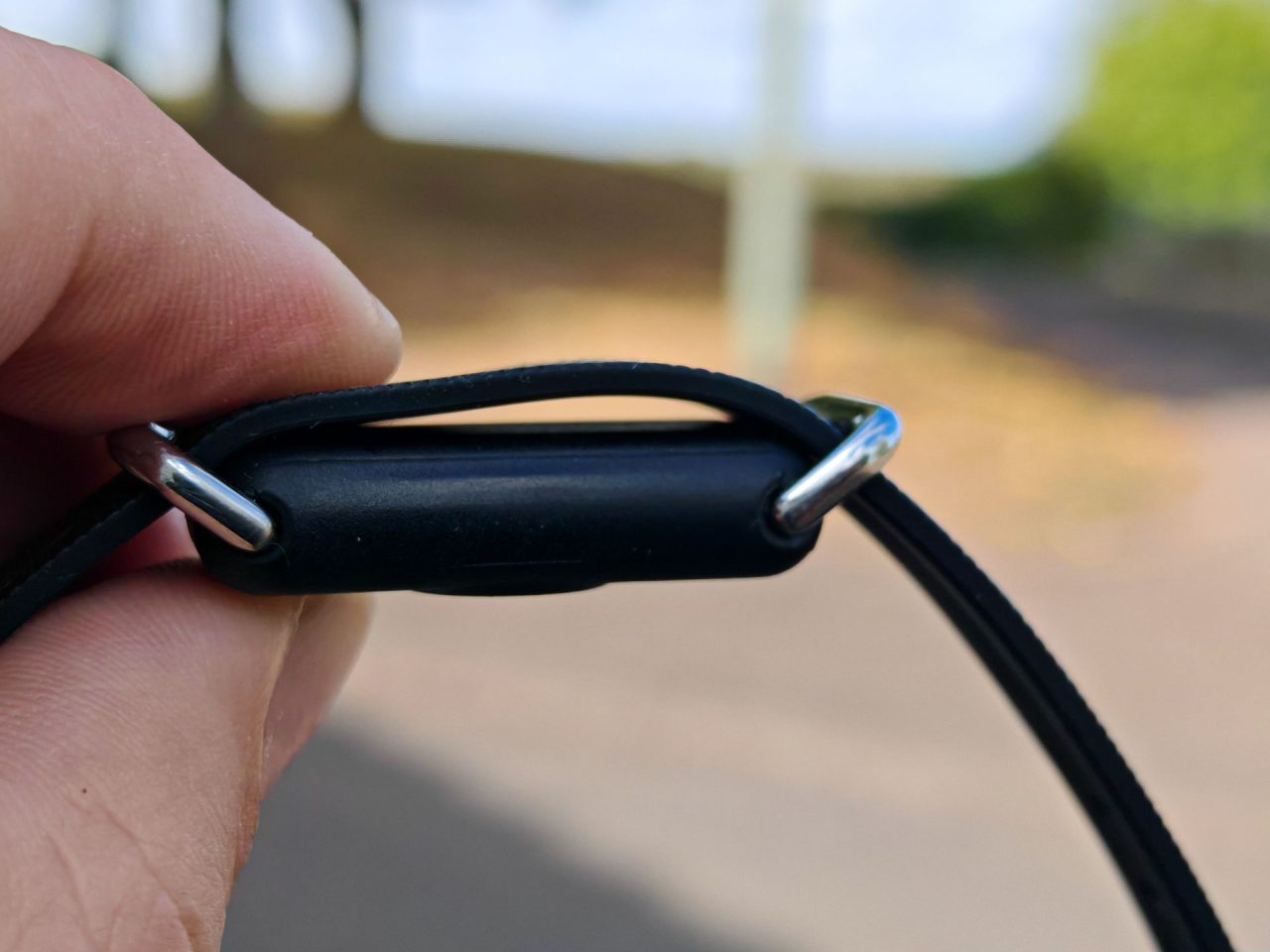
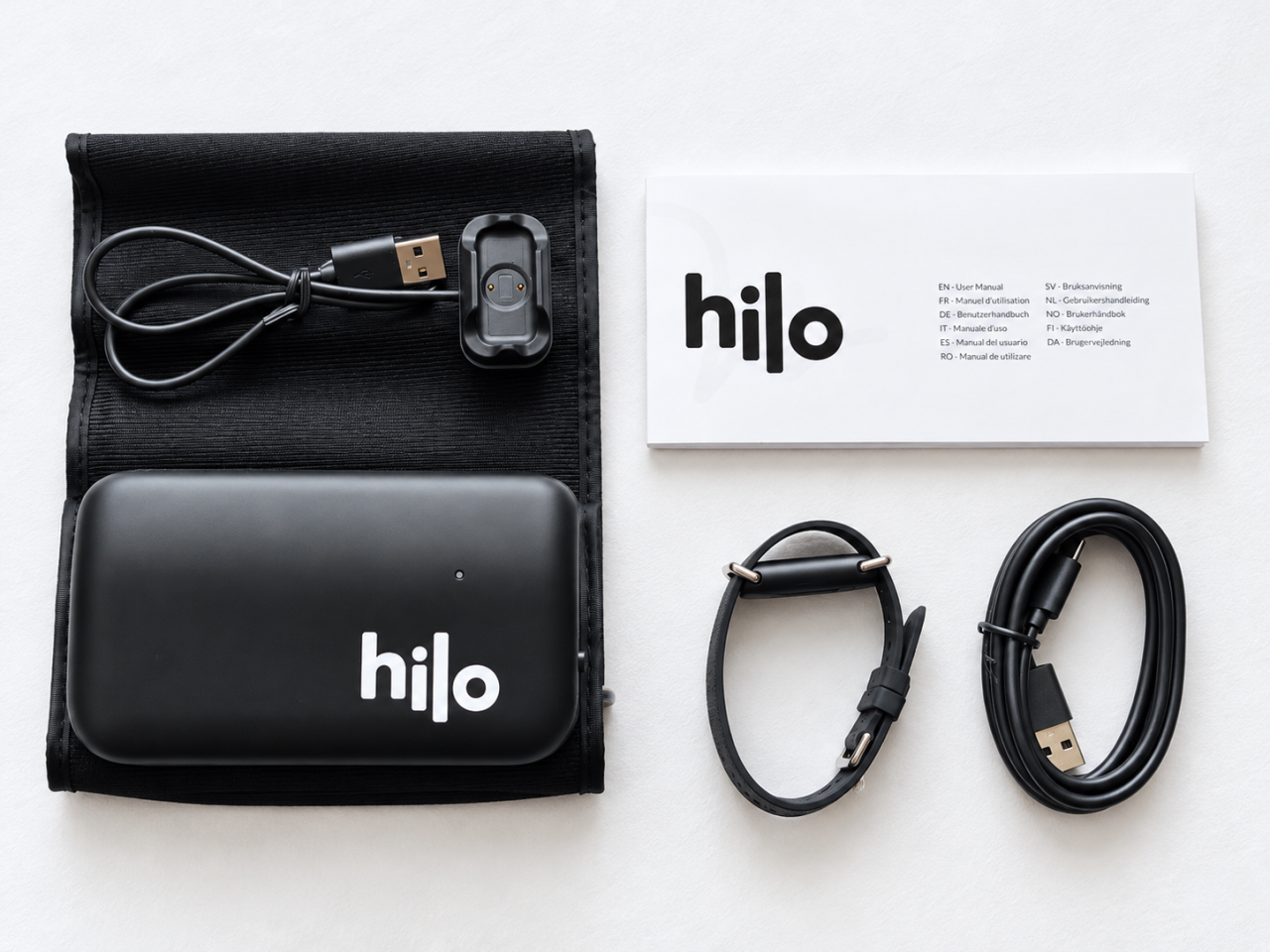
Visually, the Hilo Band is exceptionally understated. The small sensor unit sits on a slim silicone strap, which is secured with a pin clasp. According to the technical specifications, the entire strap weighs just 16 grams and is suitable for wrists with a circumference between 140 and 210 millimeters. Thanks to its compact design, it is barely noticeable in everyday life and can even be worn at night without the discomfort of a larger device.
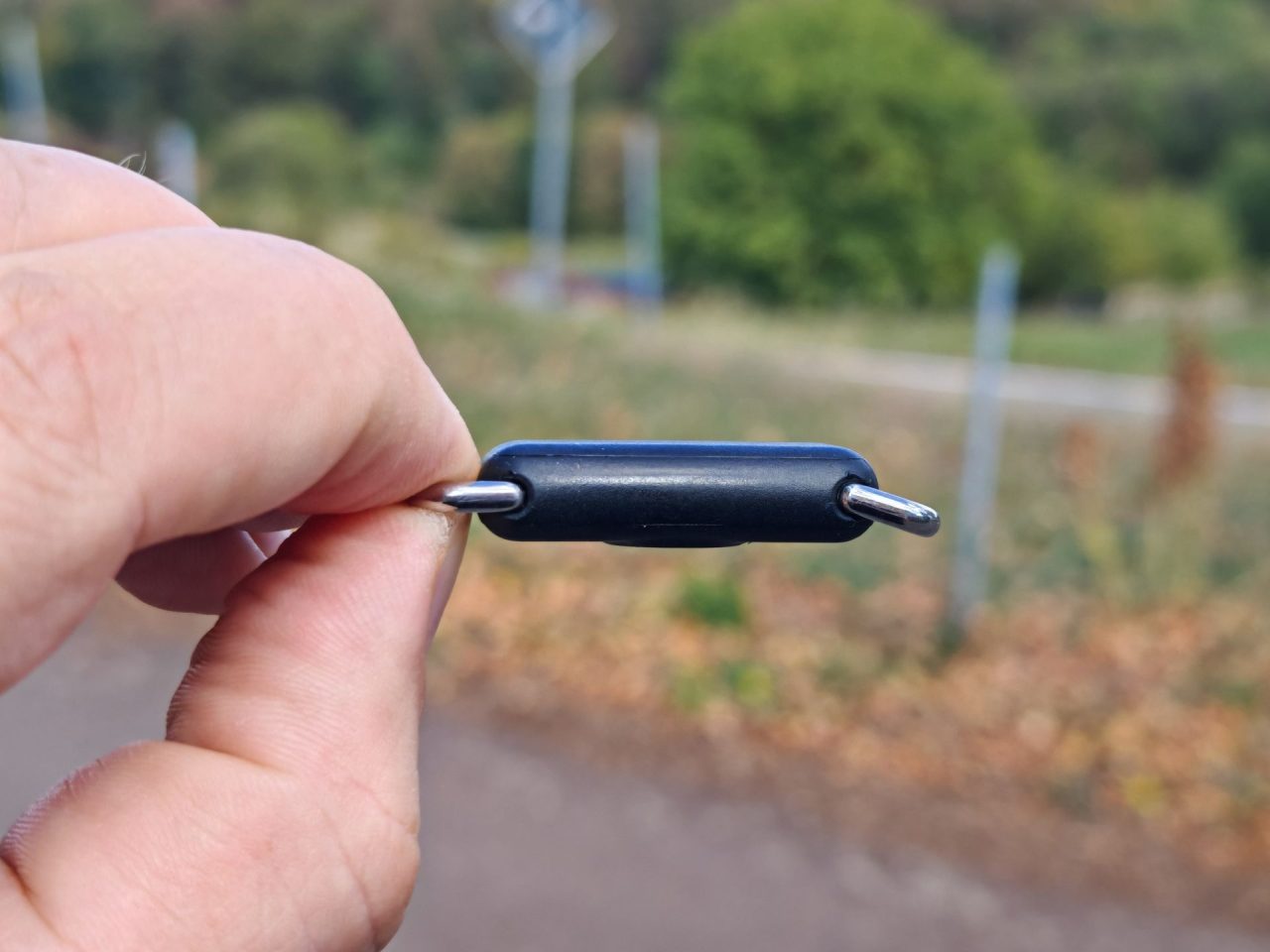
There's little to criticize regarding the workmanship. The wristband appears well-made and is IP68 water-resistant. Washing hands, showering, and swimming are no problem. However, I'm less enthusiastic about the silicone wristband. Especially after wearing it for extended periods, I occasionally get the feeling that moisture is accumulating underneath it. I also experience slight skin irritation, which I've also encountered with other wearables that have silicone wristbands. While this is clearly an individual experience, it shows that the material isn't equally comfortable or well-tolerated by everyone. I would have therefore preferred an alternative wristband option made of nylon.
Setup and connection with the Hilo app
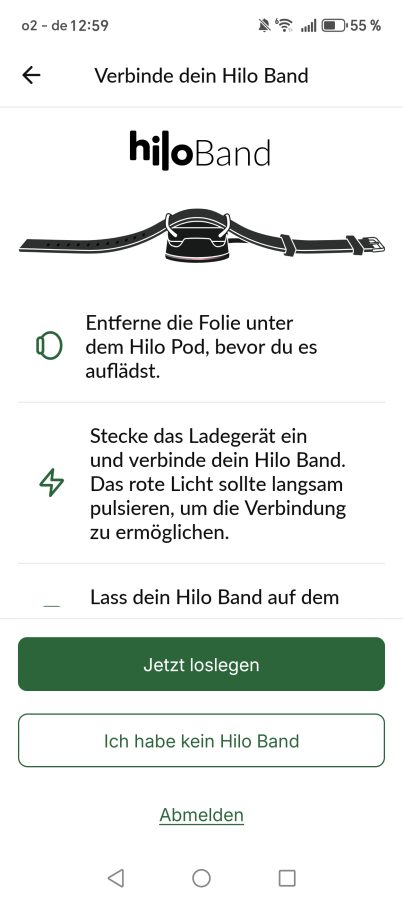
Initial setup was surprisingly straightforward in our test. The Hilo Band is placed in the included charging cradle and then connected to the smartphone. A user account is set up via the Hilo app, after which the wristband is detected and paired via Bluetooth. The individual steps are clearly explained, so even users without extensive technical knowledge can quickly get started. According to the manufacturer, smartphones running Android 8 or later, or iOS 16 or later with corresponding Bluetooth compatibility, are supported.
Setting up the device also includes activating your Hilo membership. The first twelve months are already included in the purchase price of the complete package. Membership is required for long-term blood pressure monitoring and the comprehensive analyses within the app. If you wish to continue using the wristband, you will need to renew your subscription. I will discuss the associated ongoing costs in more detail later.
Before the Hilo Band can actually begin its work, the first calibration is necessary. For this, the manufacturer includes an electronic upper arm cuff, which also works with the app. Calibration is not an optional extra, but an essential part of the entire measurement process. However, this is where the Hilo Band's biggest weakness became apparent during my long-term test.
Regular calibration became a test of patience.
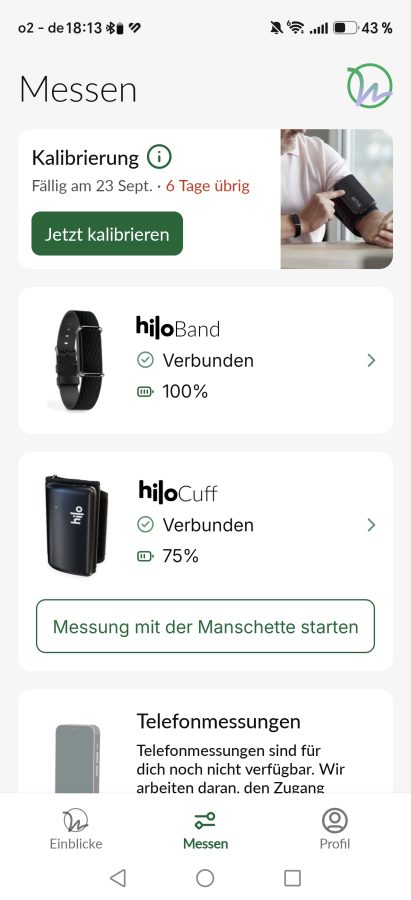
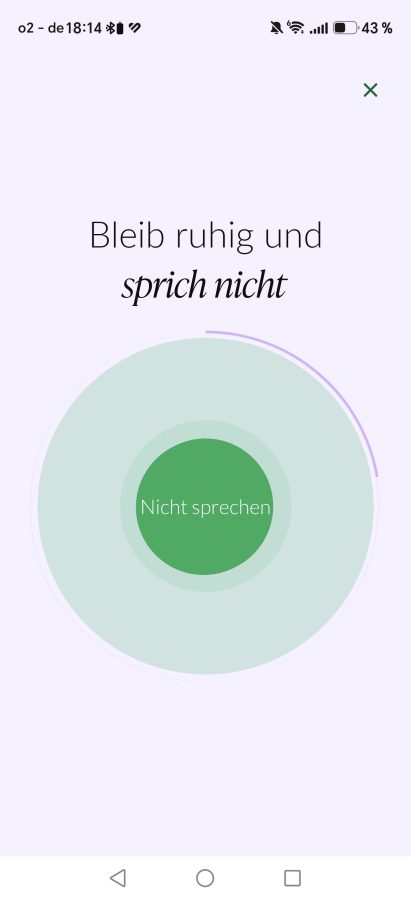
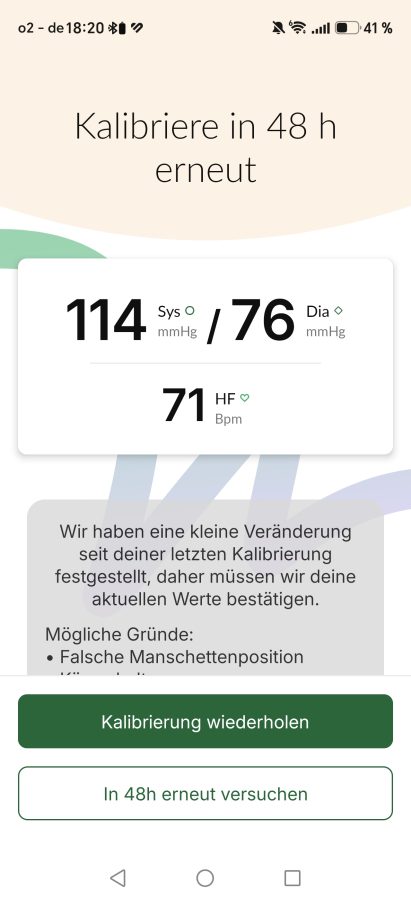
During initial setup, the Hilo Band must be calibrated over several consecutive days using the included upper arm cuff. Hilo currently recommends four calibration days. The process is explained step-by-step on the smartphone. First, assume a relaxed sitting position. The app then guides you through the measurements with the band and the upper arm cuff. The cuff inflates several times to determine the necessary reference values. Short breaks are taken between each measurement. Once the process is successfully completed, the band can resume its automatic blood pressure monitoring.
After the initial calibration phase, recalibration is necessary approximately every four weeks. According to Hilo, additional calibrations can help improve measurement accuracy. Therefore, you don't necessarily have to wait until the next scheduled appointment; you can repeat the process after one or two weeks, for example. I also took advantage of this option during my test to adapt the blood pressure monitoring as closely as possible to the current conditions.
What sounds straightforward in theory, however, repeatedly turned into a test of patience in practice. During calibration, there were several measurement errors, requiring the entire process to be restarted. Sometimes three or four attempts were necessary before the calibration could be successfully completed. On some days, my patience finally ran out, and I only tried the measurement again the following day. In the long run, this is extremely frustrating.
I couldn't determine the exact cause. Whether software problems, sensor issues, or other factors were responsible for the inaccurate readings remains unclear. However, using the wristband itself is refreshingly straightforward.
Blood pressure monitoring in everyday life is convincing
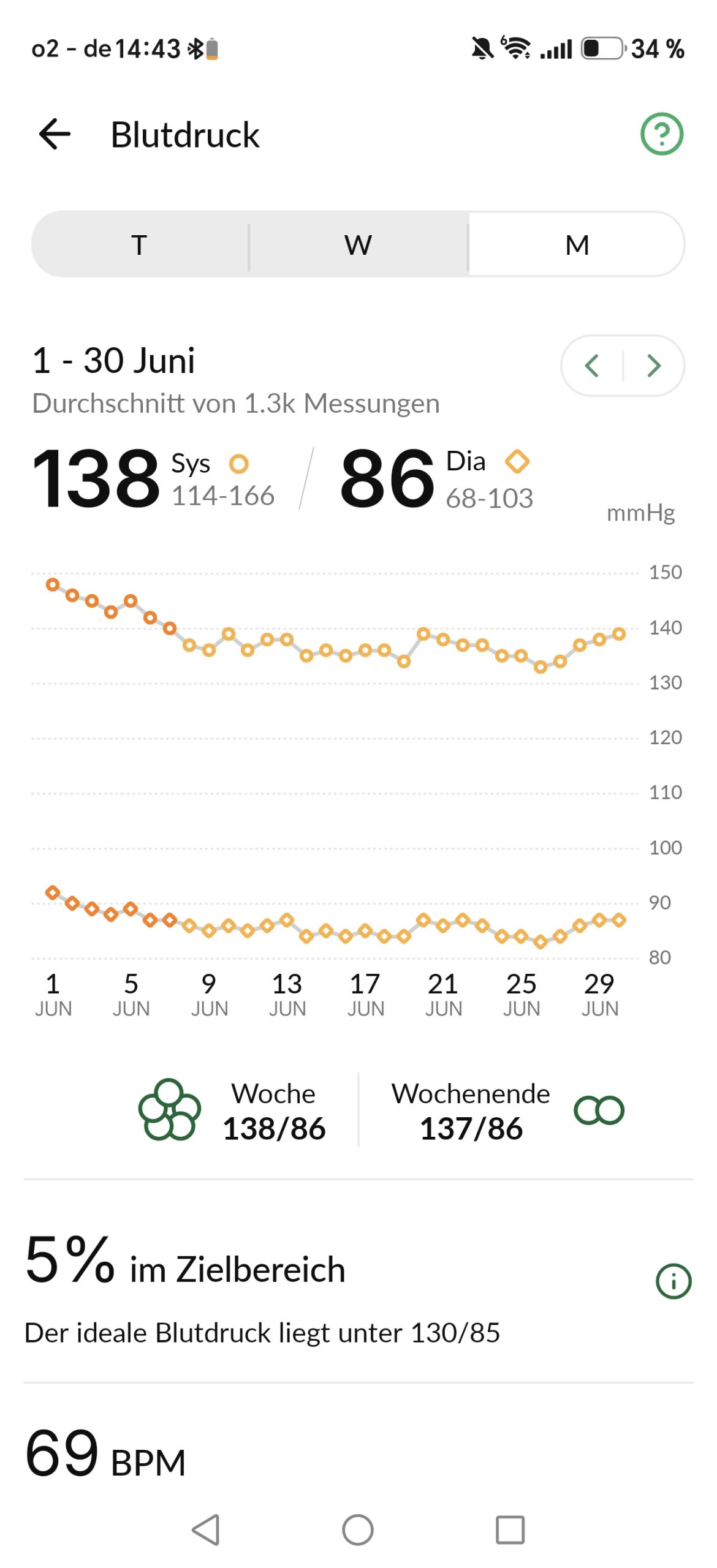
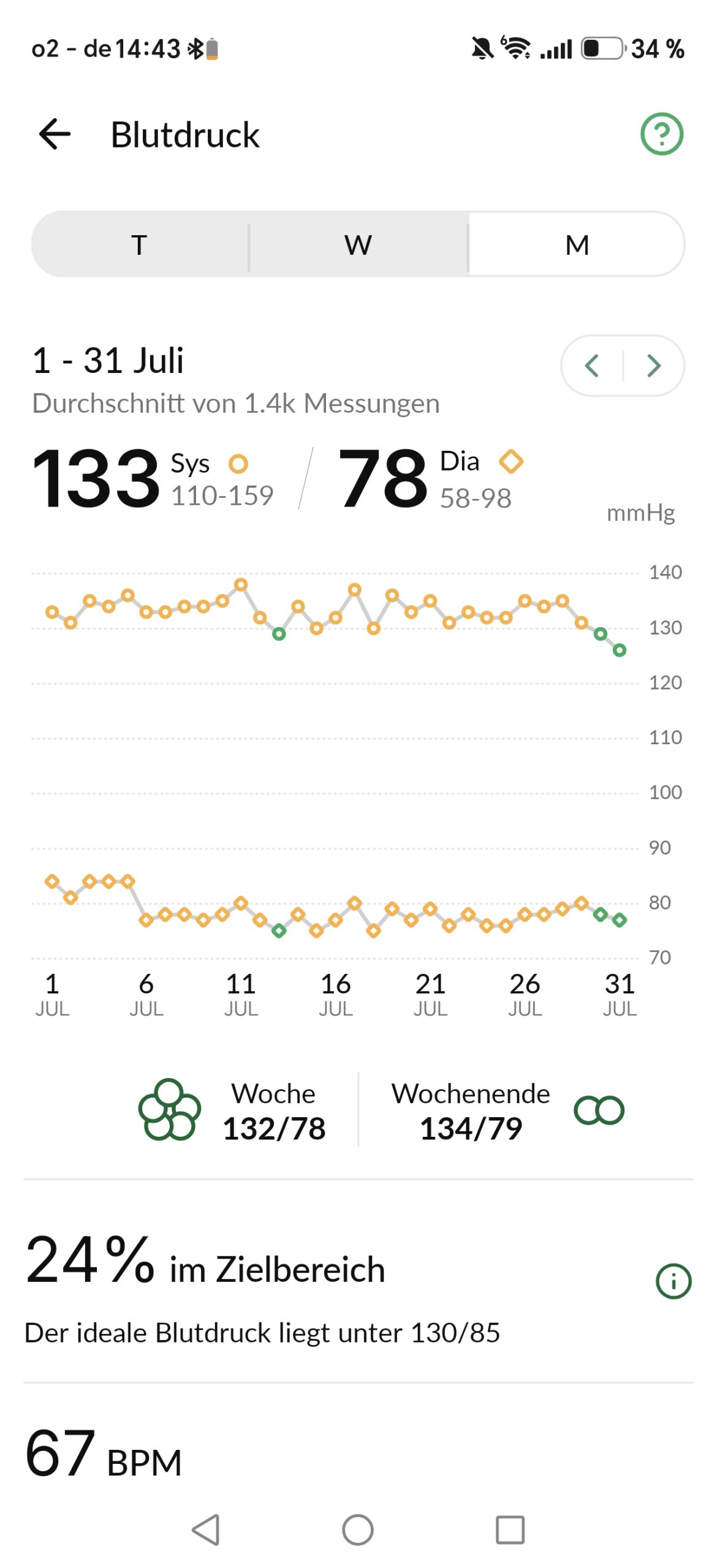
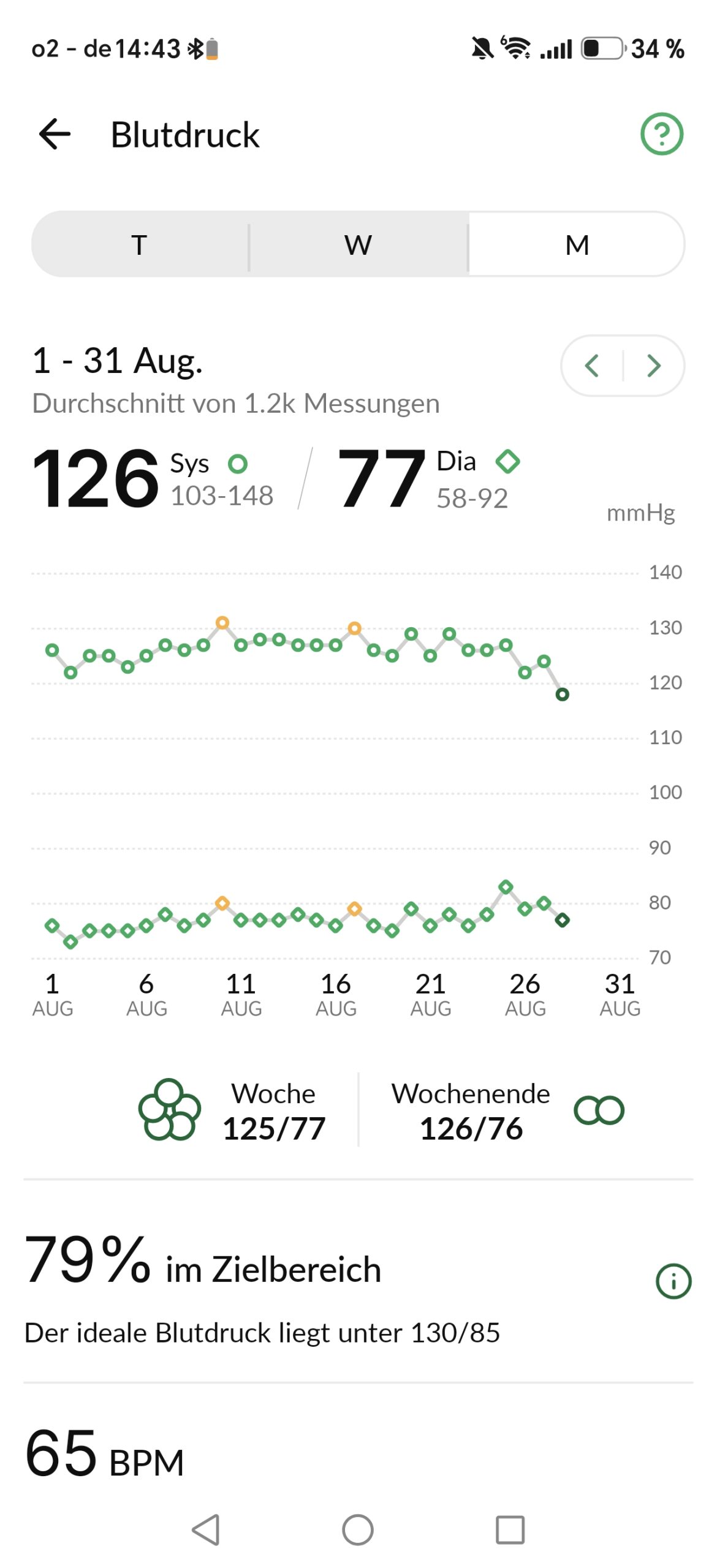
Blood pressure readings are automatically recorded throughout the day and night, without the need to manually start a measurement. Anyone who has experienced a traditional 24-hour blood pressure measurement at the doctor's office will be familiar with this, only silent and without the regular inflation of the cuff.
Automatic measurements are usually taken when conditions are suitable. A targeted, immediate measurement via the wristband cannot be triggered simply by pressing a button. If you want to check your blood pressure at a specific time, you still need a conventional blood pressure monitor.
During my roughly six-month test, I was nevertheless surprised by how well the system performed in everyday use. In occasional comparisons with an upper arm measurement, the displayed values were often very close, with only slight deviations.
I found the long-term analysis of blood pressure trends particularly helpful. The Hilo band provides numerous data points over days, weeks, and months, making it much easier to track changes and clearly showing how stress, physical activity, or morning caffeine consumption affect blood pressure.
Long-term blood pressure monitoring as support during doctor's visits
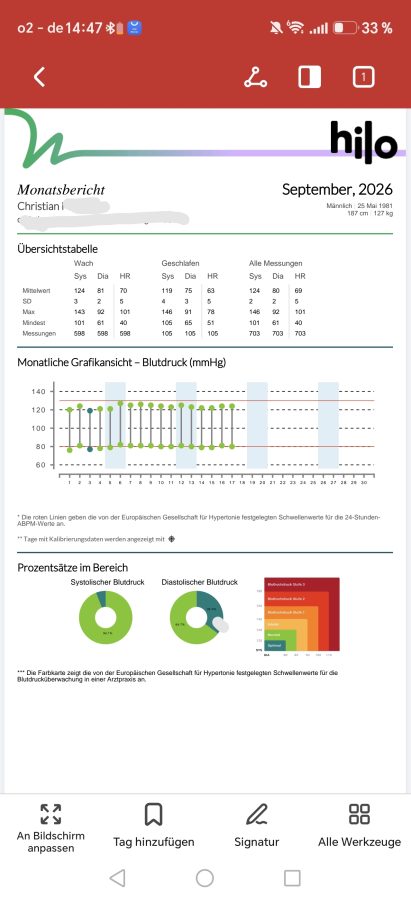
Since I had a known history of mild hypertension, I was able to track my blood pressure readings over several months and eventually discuss them with my family doctor. This also led to my medication being adjusted accordingly, which became visible several weeks later.
The Hilo app supports monitoring with various analyses. Blood pressure readings can be viewed over different time periods, and averages and changes are clearly displayed. Reports can also be generated and made available for consultations with a doctor. This is significantly more convenient than repeatedly recording individual measurements manually. However, the Hilo band does not automatically replace a doctor-ordered diagnostic test or traditional ambulatory blood pressure monitoring.
Sleep tracking showed significant weaknesses in long-term testing.
In addition to blood pressure monitoring, the Hilo Band also offers automatic sleep tracking. However, it's important to remember that it's primarily a medical wearable and not a full-fledged fitness tracker. During the first few months of my test, the sleep tracking worked largely satisfactorily. The recorded sleep times roughly corresponded to the results of other wearables I was wearing concurrently.
After about three to four months, however, this changed significantly. Suddenly, individual nights were recorded with only two hours of sleep, even though I actually slept considerably longer. In a weekly overview, the total sleep time was only seven hours.
I then contacted Hilo support and described the problem. They confirmed that they were aware of difficulties with sleep tracking. Similar user experiences can also be found online. Hilo has since made improvements to the sleep analysis and worked on the function. However, at the end of my testing period, I could not confirm that the observed problems had been completely resolved.
Battery life and charging in everyday use
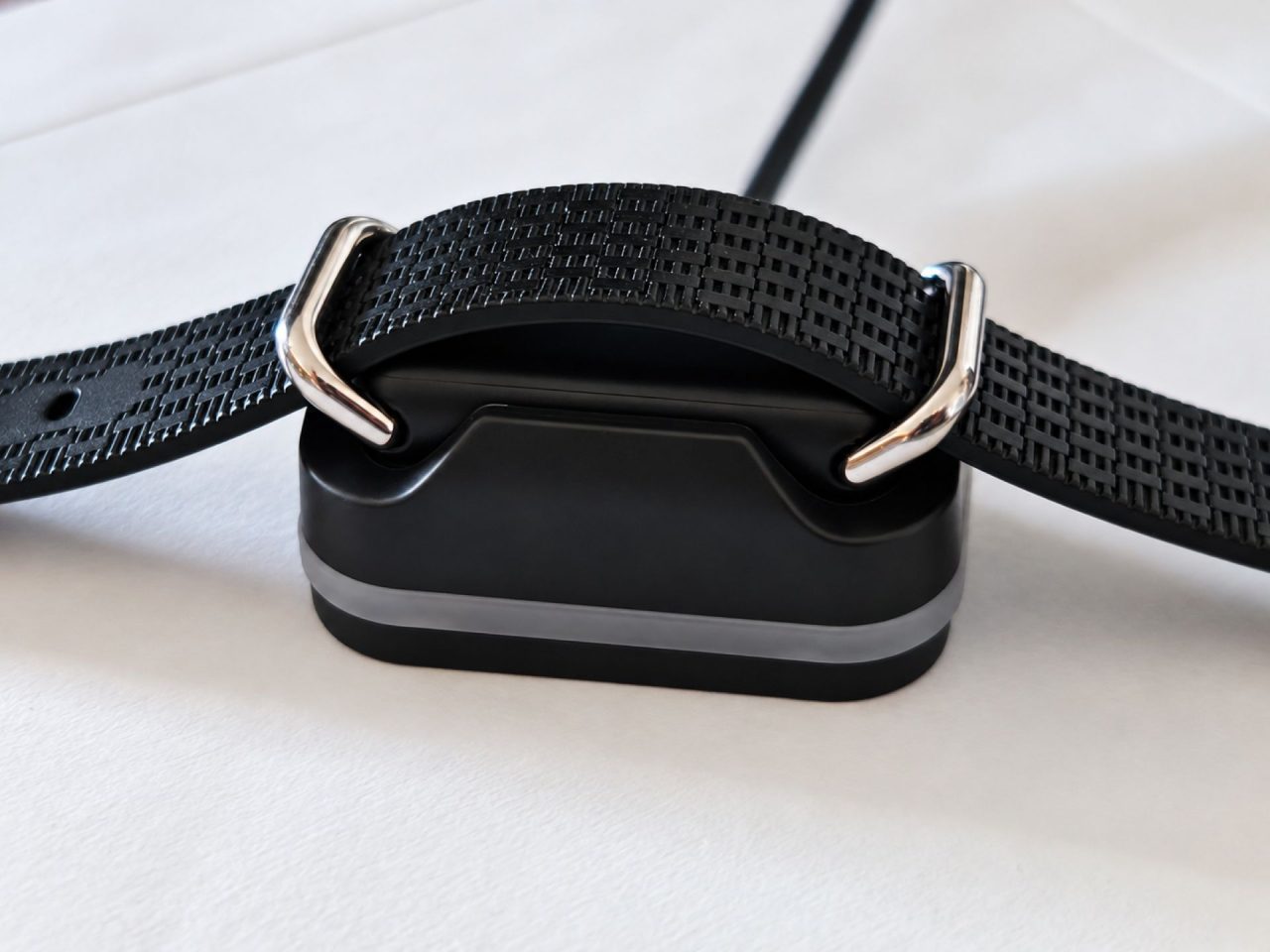
Hilo claims a battery life of up to 15 days for the wristband. In practice, it usually lasted about five to seven days before needing to be recharged. While this is significantly less than the manufacturer's claim, it's still respectable for a wearable device. After all, the band largely operates independently in the background and requires little attention during normal use.
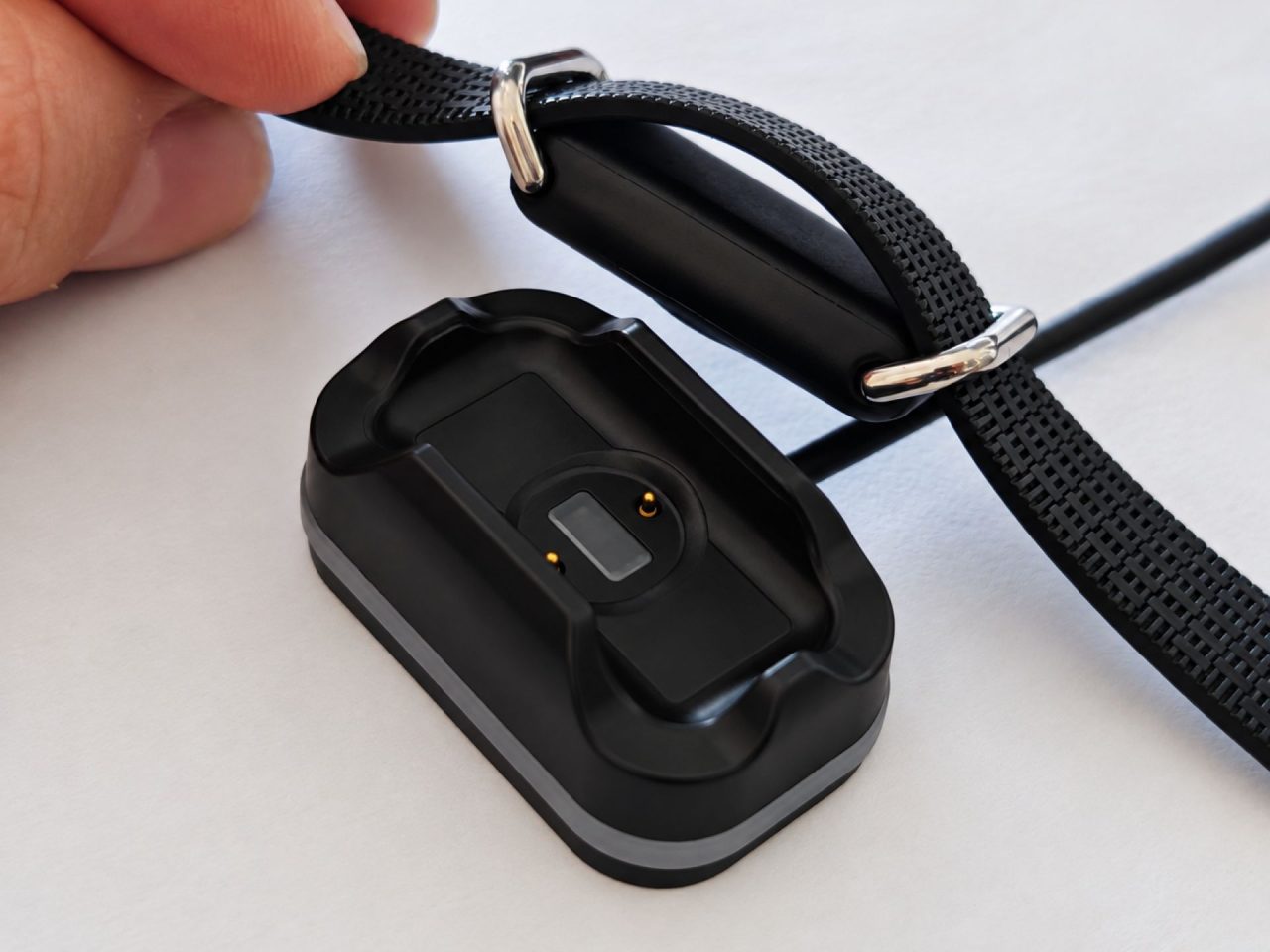
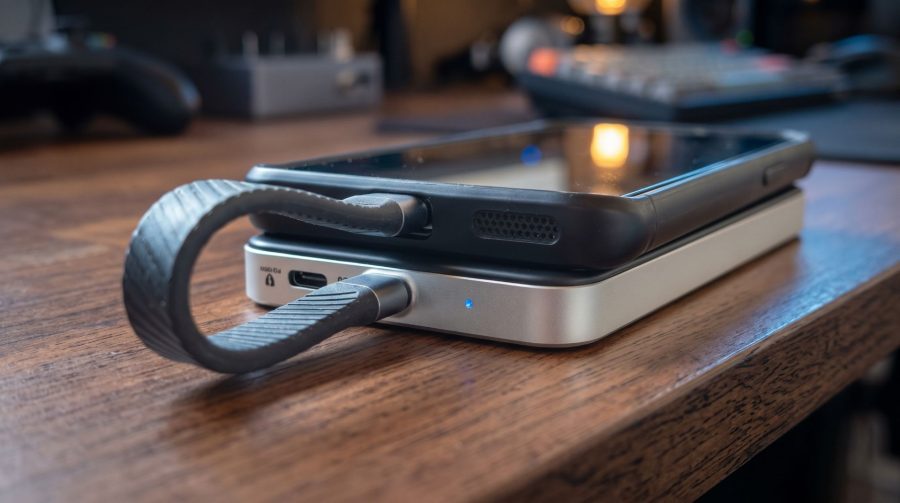
To charge, the small sensor unit is placed in the included charging station, with a full charge taking approximately 90 minutes. Charging itself is straightforward, but requires the compatible charging cradle. A standard USB-C cable cannot be directly connected to the wristband, which is somewhat inconvenient if you forget the charging cradle while traveling.
Price and membership with ongoing follow-up costs
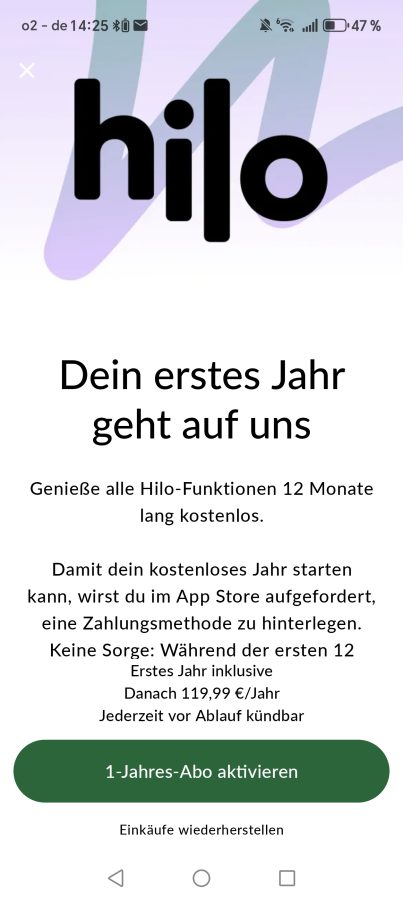
The Hilo Band is offered in Germany as a complete package. At the time of testing, the package cost [price missing]. official Hilo website €199,98. This includes the wristband, the electronic upper arm cuff for calibration, the charging accessories, and a twelve-month Hilo membership. The first twelve months are therefore already paid for and included in the purchase price. Afterward, the membership renews automatically for €119,99 per year, or just under €10 per month, unless canceled.
Membership is not an optional extra that can easily be dispensed with. An active subscription is required for continued blood pressure monitoring and access to complete analyses. After cancellation, only limited access is initially available. After the designated grace period, no further blood pressure measurements via the band are possible. The ongoing dependence on a paid subscription is therefore a point that should definitely be considered before purchasing.